
Asphalt Overlay vs. Full Replacement: How to Choose the Right Solution
Choosing between an asphalt overlay and a full replacement comes down to one thing: what is happening beneath the surface. The cracks and ruts you can see are symptoms. What is happening in the base and subgrade underneath is the actual problem, and that is what determines which repair holds and which one fails within a season or two.
August 1, 2026
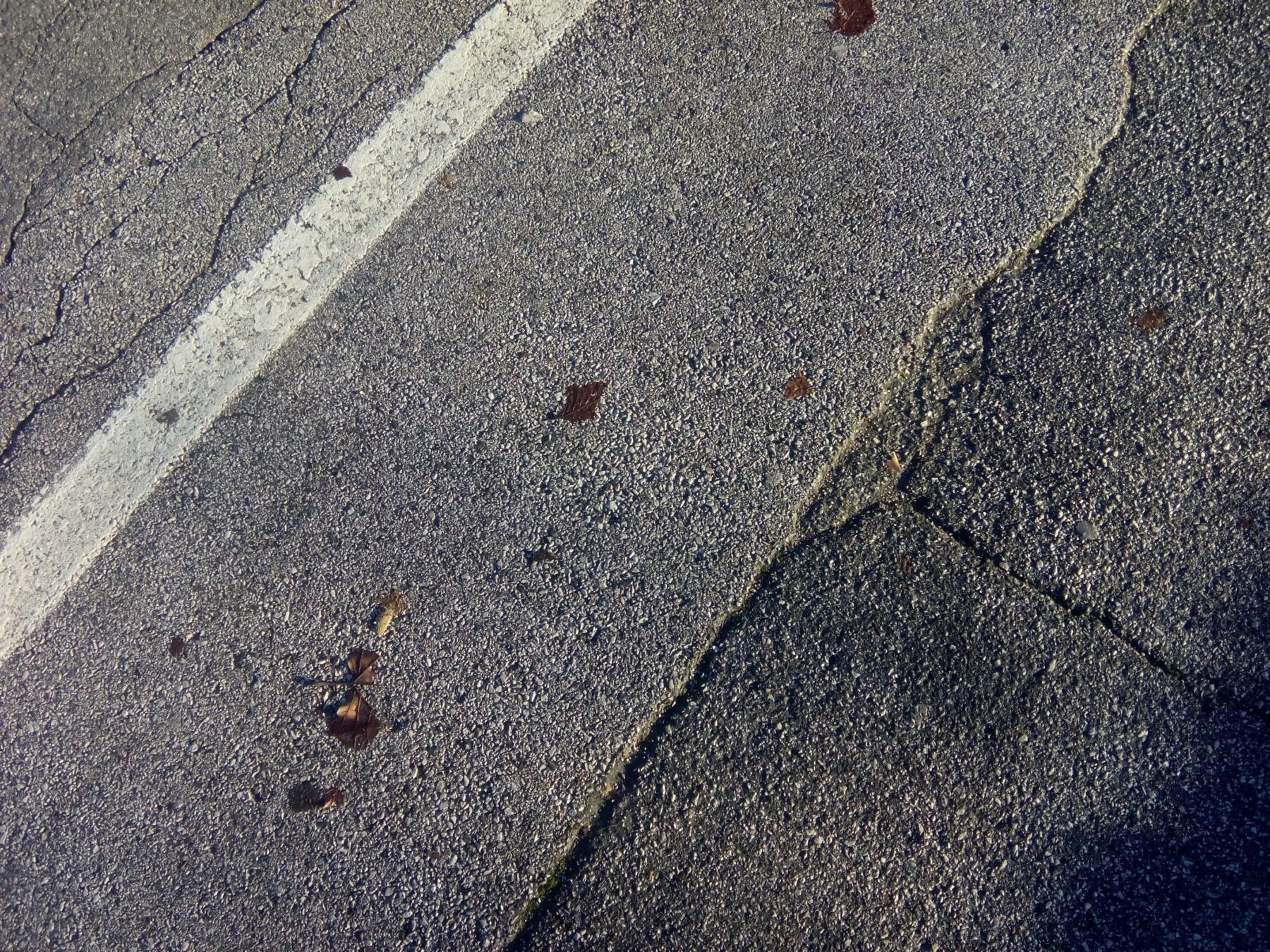
Choosing between an asphalt overlay and a full replacement comes down to one thing: what is happening beneath the surface. The cracks and ruts you can see are symptoms. What is happening in the base and subgrade underneath is the actual problem, and that is what determines which repair holds and which one fails within a season or two.
Central Iowa adds its own pressure to that decision. Clay-heavy subgrades shift and saturate, and freeze-thaw cycles through the winter put real stress on pavement structure year after year. A surface that looks borderline in October can look very different by April. Getting the repair right the first time matters, and the sections below break down exactly how to read the damage, match the fix to the condition and understand what each path costs.
What’s the Difference Between an Overlay and a Full Replacement?
An overlay works from the top down. Crews mill off the top one to two inches of worn asphalt, recycle that material, then place a fresh wearing course over the existing base and lower lifts. Nothing underneath gets touched. That only works when the aggregate base and lower lifts still distribute load evenly across the section.
Full replacement goes deeper. It removes the failed asphalt down through the base, corrects whatever is wrong in the subgrade, compacts new aggregate and rebuilds the pavement section from the ground up. An overlay resets the wearing surface. A full replacement resets the entire structure holding that surface up.
Which one applies comes down to what is happening below the cracks, not how the surface looks from a quick walk-through.
When Does an Asphalt Overlay Make Sense?
An overlay makes sense when the base is intact and only the surface has aged out. A few clear signs point that direction.
- Reflective cracking: thin surface cracks that mirror the joints or cracks in the layer below without spreading into a connected web. This usually means the base is still carrying wheel loads evenly.
- Shallow rutting: ruts under an inch deep.
- Isolated cracking: damage confined to a few areas rather than spread across the whole section.
In each case, the wearing course has aged and cracked before the material beneath it. That is exactly what an overlay fixes, since milling and repaving the top lift removes the cracked layer without disturbing the sound base under it.
Drainage matters just as much as the crack pattern. A lot or driveway that sheds water evenly, with no ponding at low points or saturation along the edges, is a strong overlay candidate. Standing water tells a different story.
When water works into the base year after year, an otherwise overlay-ready surface turns into a replacement job. Check drainage before committing either way.
What Are the Signs You Need a Full Replacement?
A full replacement becomes necessary once the base beneath the asphalt has given way. The damage looks different, and the pattern is hard to miss.
- Alligator cracking: an interconnected web of fractures spreading across the section instead of running in a single line. This is the clearest sign the base has failed under repeated loading.
- Deep rutting and depressions: ruts more than an inch deep, plus visible sinking across the surface.
- Recurring edge failure and potholes: cracks and potholes that keep coming back after patching, which points to water that has already reached the subgrade.
Milling and repaving over a base like that only resets the surface for a season or two before the same cracks work back through the new lift. Once the clay subgrade common across Central Iowa saturates and loses bearing capacity, no amount of surface work corrects what is happening several inches down.
The real fix means removing the pavement section, correcting the subgrade, then compacting fresh aggregate back into place. That addresses the failure at its source instead of resetting a surface that will fail again.
How Does Surface Use Affect the Decision?
What the pavement carries day to day shapes the call as much as the cracks do.
- Residential driveways carry passenger vehicles and little else, so a stable base under moderate surface distress is often a strong overlay candidate.
- Commercial parking lots and loading areas see repeated axle loads from delivery trucks and waste haulers. That accelerates base fatigue and shortens how long an overlay holds.
- Highway and municipal street sections carry the heaviest, most frequent loads of the three, which is why base condition gets weighted more heavily before crews commit to an overlay.
Crews handling driveway and parking lot resurfacing alongside highway and street paving across Central Iowa build an honest base assessment into the start of a project, not after milling begins. Milling that turns up a sound base moves straight into a new wearing course. Milling that exposes a failed base shifts the project into grading and full-depth reconstruction before any new asphalt goes down.
What Do the Timeline and Cost Look Like?
Once the right path is confirmed, cost and scheduling follow directly from which one applies. An overlay moves faster because it skips subgrade correction. Milling, cleanup and a new one- to two-inch lift typically return a lot or driveway to traffic within a day or two, weather and cure time permitting.
Full replacement adds excavation and subgrade correction, then aggregate compaction before the new asphalt goes down. That stretches the timeline to several days or longer depending on section size.
Cost follows the same logic. Overlay work costs less per square foot because it reuses the base and lower lifts already in place. Full replacement carries the added cost of base material, compaction and the extra labor hours reconstruction requires.
Choosing an overlay on a section where the base has already failed does not save money. It postpones the expense, since the same distress works back through the new surface within a season or two.
Which Fix Is Right for Your Pavement?
The decision always comes back to one question: is the base still sound? When it is, and the cracks are shallow, isolated and reflective, an overlay resets the surface for a fraction of the cost and time. When the base has failed, and the signs are alligator cracking, deep rutting or recurring potholes, full replacement is the only fix that lasts. Surface use and drainage sharpen the call, but base condition drives it.
Getting that read right is what keeps a paving budget aligned with what a section actually needs. An accurate base assessment is the difference between a repair that holds for years and one that fails by the next spring. Des Moines Asphalt and Paving has made that call across Central Iowa since joining CRH in 2001, running milling, grading and paving crews as one team from evaluation to the finished surface. Contact the team to schedule an assessment and find out which path fits your pavement.
Frequently Asked Questions
How Do I Know If I Need an Overlay or a Full Replacement?
The clearest indicator is base condition. If the cracks are shallow, isolated or reflective, and the surface still drains properly, the base is likely intact and an overlay is the right call. If the signs are alligator cracking spreading across a section, rutting deeper than an inch, or potholes that keep coming back after patching, the base has failed and no surface repair will hold. A thorough base assessment before any milling begins is the only reliable way to confirm which path applies.
Can You Overlay Asphalt That Is Already Cracking?
Yes, cracked asphalt can be overlaid, but only when the right conditions are in place. Shallow, isolated or reflective cracks that mirror joints in the layer below, without spreading into a connected web across the section, usually mean the base is still sound and carrying load the way it should. In those cases, milling off the worn surface and placing a fresh wearing course over the intact base is a practical, cost-effective fix.
The cracks that rule out an overlay are the ones that signal base failure: alligator cracking spreading across a section, ruts deeper than an inch or potholes that return after patching. Those patterns mean water has already worked into the base or subgrade, and repaving over that condition only delays the same failure.
The crack pattern matters, but so does drainage. A surface that sheds water cleanly is a much stronger overlay candidate than one where water pools and sits after every rain.
How Long Does an Asphalt Overlay Last?
A well-installed asphalt overlay typically lasts between eight and 15 years, depending on base condition, traffic volume and how well the surface drains. Residential driveways with stable bases and light vehicle loads tend to land at the higher end of that range. Commercial parking lots and loading areas see more base fatigue from repeated axle loads, so overlays there often wear faster.
The most important factor is what was underneath before the overlay went down. A sound base extends the life of the new wearing course significantly. A base with undetected weakness shortens it just as fast, often bringing the same cracking pattern back within a season or two.
Is Full Replacement More Expensive Than an Asphalt Overlay?
Full replacement costs more than an overlay in almost every case. Overlay work costs less per square foot because it reuses the base and lower lifts already in place, and the shorter timeline reduces labor hours. Full replacement adds excavation, subgrade correction, fresh aggregate and compaction before any new asphalt goes down, and all of that carries a higher price. The gap varies depending on section size, subgrade condition and how much reconstruction the base requires, but the cost difference is real and consistent.
What changes the math is choosing the wrong option. An overlay on a section where the base has already failed does not save money; it delays the full replacement cost by a season or two while adding the cost of the failed overlay on top. Getting the base assessment right at the start is what keeps the budget aligned with what the pavement actually needs.
What Causes Asphalt Base Failure?
Asphalt base failure usually comes down to water, load or a combination of both. When water infiltrates the pavement through surface cracks and has nowhere to drain, it saturates the aggregate base and softens the subgrade beneath it. In Central Iowa, that process accelerates every winter as freeze-thaw cycles expand and contract saturated material, breaking down the base layer from below.
Heavy, repeated axle loads from delivery trucks or waste haulers compound the problem by pushing a weakened base past its load-bearing limit faster than normal traffic would. Poor drainage at the design stage, inadequate base depth during original construction and deferred surface maintenance all set the same failure in motion.
Once water reaches the subgrade and the clay loses bearing capacity, the base can no longer distribute wheel loads evenly across the section, and the cracking and rutting visible at the surface are the result.