
Asphalt Solutions for Electric Vehicle Charging Station Parking Areas
Concentrated wheel loads and stationary vehicle weight define the structural demands of an EV charging station parking area. Vehicles remain parked for extended charging cycles, utility infrastructure runs beneath the pavement, and traffic movement funnels repeatedly through defined stall locations. These conditions require more than a standard parking lot section. Asphalt forms the structural and wearing layers that carry those demands while protecting the systems installed below.
April 23, 2026
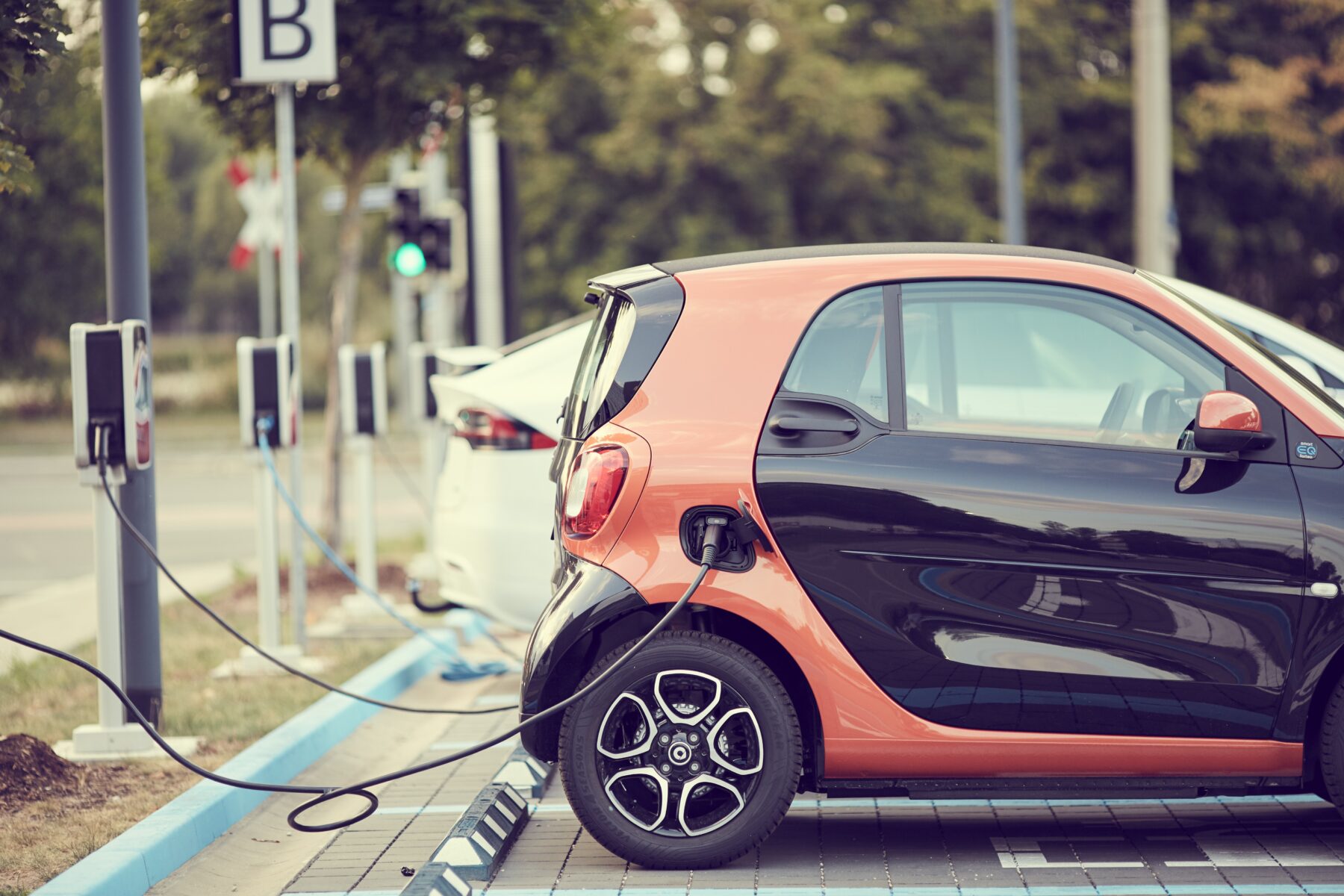
As EV infrastructure expands, site design must respond to heavier axle loads and extended parking durations. Charging vehicles remain stationary longer than traditional fuel stops, concentrating weight in defined stall locations. That condition places measurable stress on the pavement section, particularly in high-use commercial and municipal settings. A properly engineered section addresses those forces before the first vehicle pulls in.
Supporting Concentrated Loads and Repeated Traffic Cycles
Vehicle weight alone does not define structural demand. Repeated loading cycles, especially in fleet charging areas, generate compaction and shear stress directly beneath drive lanes and charging stalls. Without sufficient base thickness and properly sequenced asphalt lifts, rutting develops in predictable wheel paths.
Stable performance begins at the subgrade. Compacted aggregate base distributes load across a broader footprint, reducing stress transfer into underlying soils. Above that, asphalt lifts formulated for greater internal stability resist deformation under slow-moving or stationary loads. Increased angular aggregate and a climate-appropriate binder grade promote tighter interlock and greater stiffness during elevated pavement temperatures.
Full sun exposure further influences mat behavior. Charging stations frequently occupy open parking lots where surface temperatures climb during peak daylight hours. Selecting a binder grade matched to regional climate conditions limits softening during heat cycles and reduces the formation of depressions beneath parked vehicles.
Integrating Utility Infrastructure Without Compromising Pavement Continuity
Conduit placement for power supply introduces trenching and patching into the construction sequence. Each trench cut interrupts structural continuity within the pavement section. Inadequate backfill compaction leads to settlement along utility lines, creating visible dips and joint separation.
Installation sequencing directly affects structural continuity. Conduit trenches require controlled backfill placed in lifts and compacted to specified density before paving resumes. Tack coat applied along vertical pavement edges promotes bonding between existing mat and new placement, limiting seam separation under traffic loading.
Surface lifts placed over trench lines must match adjacent sections in thickness and compaction. Rolling patterns adjusted for patch zones reduce air void inconsistencies and limit permeability. That precision maintains a consistent ride profile and prevents localized moisture intrusion within the charging area.
Designing for Striping, Signage, and Traffic Flow
Charging stations depend on clear stall delineation and directional guidance. Pavement texture influences striping adhesion and visibility. A uniform asphalt mat free of segregation creates a stable base for thermoplastic or painted markings.
Turning movements introduce additional stress. Tight radii for delivery vans and service vehicles generate lateral forces at entry and exit points. Reinforcing these zones with thicker asphalt sections or high-stability surface mixes reduces scuffing and shoving where turning pressure concentrates.
Moisture management further affects pavement structure. Grading that directs water away from charging equipment and toward collection points limits infiltration into lower layers. Standing water weakens aggregate-binder adhesion under repeated loading cycles. Proper slope and inlet placement preserve structural capacity while protecting adjacent electrical components.
Planning for Future Expansion and Maintenance Access
EV infrastructure continues to evolve, and parking areas must accommodate additional charging units as demand increases. Anticipating expansion during initial construction minimizes future disruption to the pavement section. Installing conduit sleeves beneath drive lanes or allocating space within the base layer for future utility runs preserves structural continuity.
Maintenance access introduces periodic heavy loads at specific stalls. Service vehicles positioned near charging equipment concentrate weight in repeat locations. Strengthening those zones during initial paving reduces localized deformation tied to equipment servicing.
Ongoing pavement assessment protects structural stability. Monitoring for early rutting, cracking, or joint separation allows targeted maintenance such as crack sealing or surface milling before load-bearing layers are affected. Addressing minor distress at early stages preserves base integrity and maintains consistent grade across the charging zone.
EV charging stations represent a long-term transportation investment, and their parking areas must withstand concentrated weight, repeated traffic cycles, and integrated utility systems without structural breakdown. Careful base preparation, climate-matched mix selection, and disciplined installation practices produce pavement sections capable of sustaining stationary loads and turning forces within defined stall locations. Coordination between site engineers, utility contractors, and asphalt producers aligns section thickness, material selection, and installation timing with operational demand. When structural decisions are grounded in load behavior and environmental exposure, the pavement functions as an engineered system built for sustained service.