
How Polymer-Modified Asphalt Improves Road Performance in Sub-Zero Temperatures
Cold-region pavements heavily rely on asphalt. When temperatures stay below freezing for long stretches, the surface needs to flex with thermal movement, withstand snowplow traffic, and keep water from turning small openings into bigger maintenance issues. That is where polymer-modified asphalt earns its reputation, not as a premium add-on, but as a practical tool for building roads that keep their shape and smoothness through winter conditions.
December 23, 2025
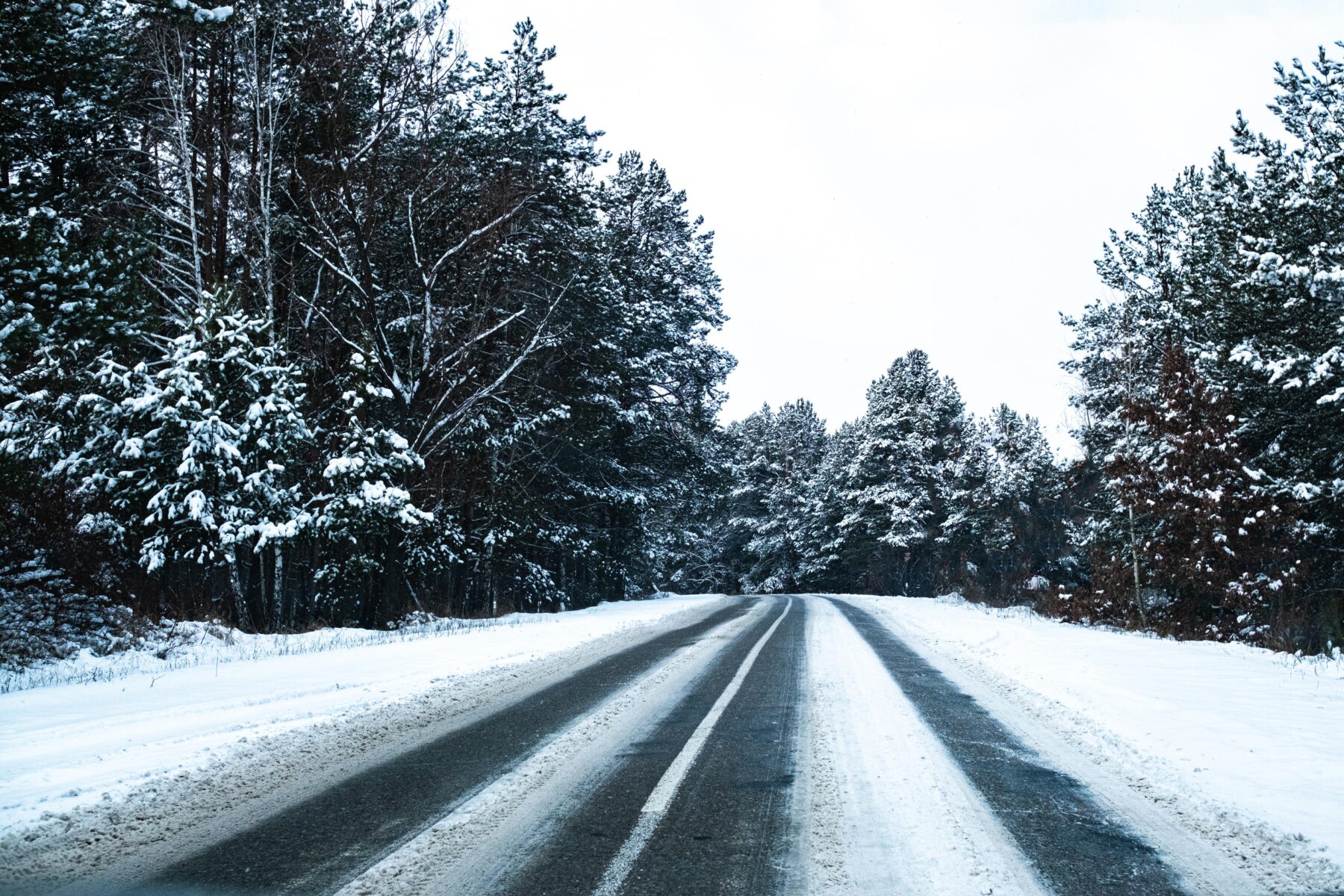
Polymer-modified asphalt, often called PMA, starts with a standard asphalt binder and upgrades it with engineered polymers that change how the binder behaves. The result is a mix that stays more elastic in the cold and more resistant to deformation when loads and temperatures swing. That balance matters in sub-zero climates because the pavement is constantly cycling between contraction, traffic stress, and freeze-thaw forces.
Why Sub-Zero Conditions Demand More from Asphalt
Pavements in northern climates experience steady thermal contraction as temperatures drop, which puts the asphalt binder under tension. When the binder cannot relax that stress fast enough, the surface becomes more prone to cracking that follows the weakest paths in the mat. Those cracks can stay tight at first, yet they create a pathway for moisture and deicing chemicals to move deeper into the structure.
What Polymer Modification Changes Inside the Binder
Asphalt binder is viscoelastic, meaning it behaves partly like a liquid and partly like a solid depending on temperature and loading rate. In deep cold, the binder trends toward a stiffer, more brittle response, and that stiffness limits stress relaxation. Adding polymers changes the binder’s internal network, giving it more elastic recovery and improved flexibility over a wider range of temperatures. Common polymer systems, such as SBS and other elastomeric modifiers, are used because they enhance stretch and rebound without turning the binder into something that handles like rubber on its own. The goal is a binder that can deform under stress and then recover rather than staying permanently strained.
How PMA Supports Flexibility and Crack Resistance in the Cold
At sub-zero temperatures, the most valuable improvement is the binder’s ability to tolerate thermal strain. Polymer-modified binders generally show better ductility and greater capacity to relax stresses created by cooling. When the binder can redistribute stress instead of concentrating it at one point, the pavement is more likely to remain intact and smooth through cold snaps. This benefit shows up most clearly when projects are specified by performance grade, where the low-temperature grade indicates how the binder is expected to behave in colder conditions. Polymer modification can broaden the effective performance window, supporting a binder that still handles summer demands while remaining resilient in winter.
Why Aggregate Structure Still Matters Alongside the Binder
A strong winter-performing mix is never only about binder selection. Aggregate gradation, angularity, and quality work with the binder to form a stable skeleton that carries load and reduces unnecessary strain on the binder film. In cold climates, that aggregate structure helps keep the mat tight, which reduces opportunities for water intrusion and limits the stress points that can develop at weak bonds.
Mix design should focus on building density and durability without overfilling the system with binder. Adequate asphalt content is needed for film thickness and long-term aging resistance, yet stability still depends on a well-locked aggregate blend. With PMA, that balance is often easier to maintain because the binder contributes elasticity and cohesion.
Production and Placement Practices that Protect PMA Performance
Polymer-modified binders can be more sensitive to handling than conventional binders, mainly because the modified binder needs consistent temperatures and proper circulation to stay uniform. Storage and transport should maintain recommended temperatures and avoid excessive overheating, since temperature abuse can age binder faster and reduce the very flexibility that winter performance relies on. Keeping the binder homogeneous protects consistency from load to load, which supports predictable compaction and finish.
Paving in cold air temperatures places extra pressure on the crew to achieve density before the mat cools. Warm mix technologies, insulated haul strategies, efficient truck exchange, and well-timed rolling patterns can help hold workable temperatures long enough to reach target density. When density is achieved, permeability drops, which means less moisture movement through the mat and a stronger defense against freeze-thaw impacts.
Quality Checks That Keep Winter Performance Consistent
Performance in sub-zero temperatures depends on consistency from the binder tank to the finished mat. Binder certification to the specified performance grade, along with confirmation of polymer modification, sets the foundation. Plant controls that track mixing temperature, binder content, and moisture in aggregate help keep the mix uniform and reduce variability that can show up later as weak spots. Field density testing and smoothness checks provide immediate feedback during placement. When density meets targets, the pavement is better positioned to resist moisture infiltration and slow oxidative aging.
Polymer-modified asphalt improves road performance in sub-zero temperatures by strengthening the binder’s ability to flex, recover, and hold the aggregate structure together when the pavement is under thermal strain. That flexibility supports crack resistance, while the improved cohesion and durability help the pavement stay tight against moisture and freeze-thaw movement. When the binder selection is paired with strong aggregate design and disciplined construction practices, PMA becomes a clear path to smoother, more reliable winter pavements.