
How Weather Conditions Affect Asphalt Placement and Long-Term Performance
Asphalt performance is shaped long before traffic ever reaches the surface. Weather sets the tone from the moment a mix is produced through final compaction, influencing how the material behaves, bonds, and ultimately performs over time. When placement conditions align with the environment, asphalt works exactly as engineered. When they do not, even well-designed mixes can struggle to deliver consistent results. Successful paving is about understanding how temperature, moisture, and seasonal patterns interact with asphalt and adjusting the process accordingly. That awareness is what separates short-term results from long-term pavement performance.
April 22, 2026
Temperature Sets the Pace for Placement
Temperature controls how asphalt flows, compacts, and locks together. Hot mix asphalt is engineered to perform within a defined thermal range where the binder remains workable and aggregates can orient properly under compaction. Staying within that range ensures density targets are met and the pavement develops the internal strength it needs to perform.
Cooler air and surface temperatures pull heat from the mat faster than anticipated, shrinking the compaction window. When the binder stiffens too quickly, air voids remain trapped in the mix, creating pathways for moisture and oxidation. Excessively high temperatures bring their own challenges, softening the binder and increasing the risk of early rutting if traffic is introduced too soon. Managing temperature from the plant to the paver is one of the most influential factors in long-term asphalt performance.
Moisture Challenges Bonding and Durability
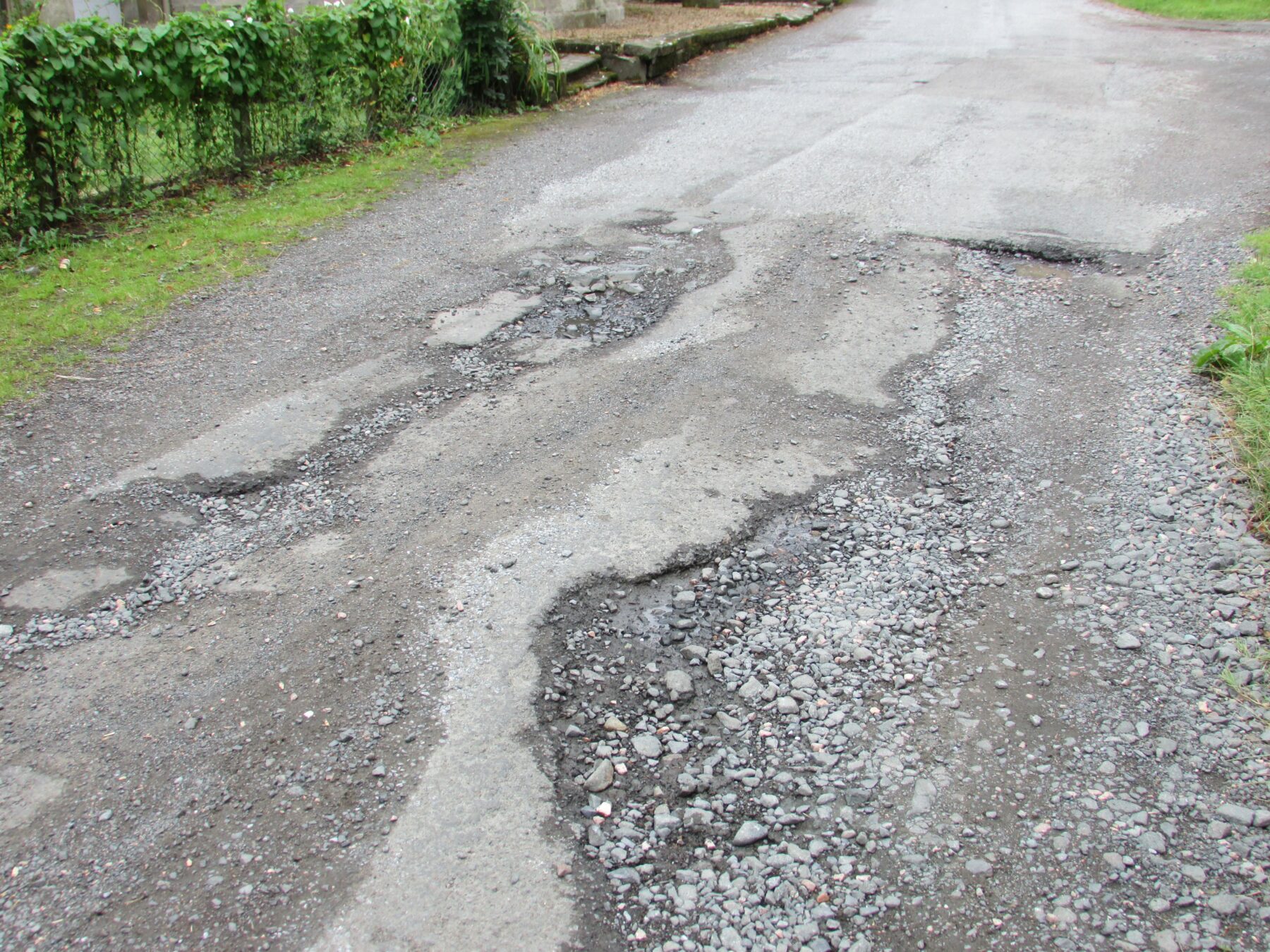
Moisture often influences asphalt in subtle ways that only become visible over time. Rain, surface dampness, and high humidity interfere with the bond between binder and aggregate. Even small amounts of residual moisture on the base or within the aggregate structure can weaken adhesion during placement. Over time, that weakened bond appears as stripping, raveling, and premature surface deterioration. Asphalt placed on dry, well-prepared surfaces allows the binder to fully coat and grip the aggregate. That strong initial bond forms the foundation for a pavement that resists water intrusion and maintains integrity through changing seasons.
Seasonal Conditions Shape Early Pavement Life
The season in which asphalt is placed influences how it performs in its earliest stages. Pavement placed during warmer months benefits from longer compaction windows and more predictable curing conditions. This allows the mix to stabilize under traffic before facing extreme temperature swings.
Late-season paving introduces tighter margins. Cooler nights, shorter days, and the approach of freeze-thaw cycles demand closer attention to temperature control and compaction timing. Modern mix designs and quality aggregates make successful cool-weather paving possible, but only when placement practices adjust to the conditions instead of relying on calendar-driven expectations.
Wind Accelerates Heat Loss in the Mat
Wind often receives less attention than temperature or moisture, yet its impact on asphalt placement is significant. Steady winds draw heat from the mat rapidly, especially on thinner lifts, elevated structures, or exposed paving areas. This accelerated cooling reduces the available time for compaction and increases the risk of inconsistent density. Addressing these wind effects requires coordination between production, paving, and rolling operations. Adjusting mix temperatures, tightening rolling patterns, and sequencing equipment more efficiently help preserve heat where it matters most. When cooling rates are controlled, asphalt achieves uniform density that supports long-term performance across the entire pavement surface.
Aggregate Quality Supports Weather Resilience
Aggregates provide the structural backbone of asphalt, and their role becomes even more important when weather conditions fluctuate. Well-graded aggregates create internal stone-to-stone contact that supports loads regardless of binder stiffness changes caused by temperature shifts. This internal structure stabilizes the mix during both hot summers and cold winters.
Low-absorption aggregates reduce moisture retention, while angular particles improve interlock and binder adhesion. When aggregate quality aligns with thoughtful placement practices, the pavement gains resilience that extends well beyond initial construction. Weather may vary, but a strong aggregate framework keeps performance consistent.
Weather will always be a factor in asphalt construction, but it does not have to dictate results. Temperature, moisture, wind, and seasonal timing each influence placement, yet all can be managed with the right materials and disciplined execution. When asphalt production and placement work in step with environmental conditions, the result is a pavement built for durability, not just appearance. By combining high-quality materials with weather-resistant procedures, projects achieve pavements that can withstand real-world pressures and continue to provide value even after installation is completed.