
Understanding Asphalt Recycling: Benefits and Process for Commercial Paving
Commercial paving continues to expand across retail centers, industrial sites, and fast-growing business districts, and that momentum calls for materials that deliver consistent performance without disrupting project timelines. Asphalt recycling has become a dependable part of that landscape because it brings existing pavement back into circulation with strong, predictable results. By reinforcing mix quality and stabilizing supply, recycled asphalt supports the durability and efficiency that commercial projects rely on.
November 24, 2025
Why Recycled Asphalt Strengthens Commercial Projects
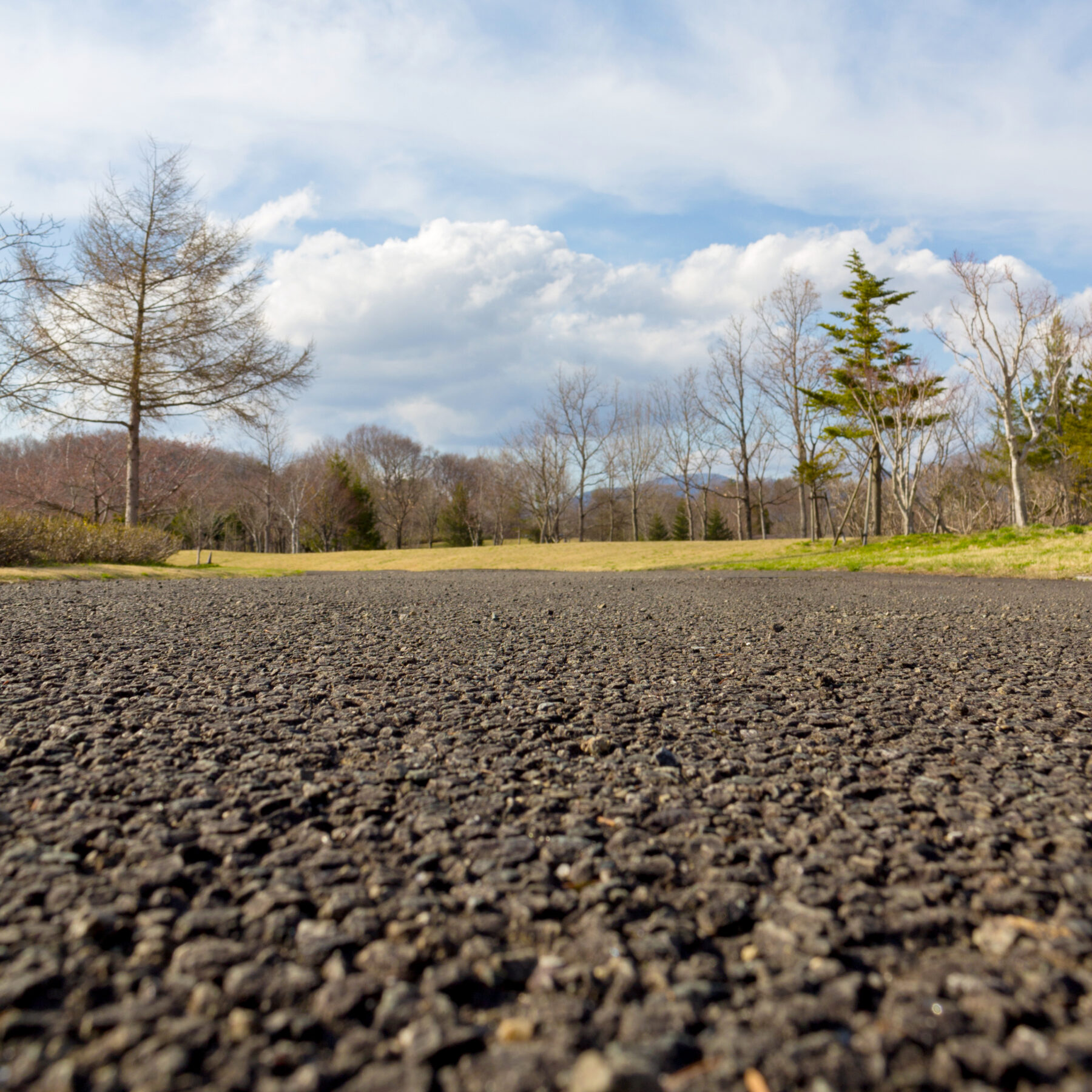
Reclaimed asphalt pavement carries value long after its initial service life. The aggregates and residual binders within it respond well to modern recycling methods, restoring the structure needed for surfaces that handle steady traffic. Once processed, the recycled material encourages uniform compaction and creates a smooth finish suited for parking lots, access drives, and busier commercial corridors.
Using recycled material also supports tighter control over production cycles. Relying less on virgin aggregates and binders streamlines logistics and reduces pressure on haul schedules, which helps align mix availability with project planning. This steadier flow of material allows teams to forecast quantities more accurately while reinforcing cost management. Across large or recurring commercial work, that consistency contributes directly to long-term pavement performance.
Environmental advantages add another layer of value. Recycling reduces the demand for new aggregate extraction and lowers the energy required for producing virgin asphalt. Keeping reclaimed material in use also limits disposal needs, allowing each ton to continue contributing to infrastructure rather than occupying landfill space. These benefits align well with commercial development goals that balance strength, efficiency, and resource stewardship.
How Asphalt Recycling Moves Pavement Back Into Production
The recycling cycle begins with milling, where existing pavement is removed in controlled layers to maintain grade and collect material ready for processing. The milled asphalt is transported to a production facility and assessed for aggregate structure and binder content. This evaluation ensures the material maintains the qualities needed to support new mix designs.
After inspection, the reclaimed asphalt is crushed and screened to create a consistent gradation. This prepares it for blending with virgin aggregates, binders, and additives suited to the specific commercial application. Whether the project requires added durability for heavy truck traffic or improved flexibility for colder climates, adjustments during this step help ensure the mix performs predictably once placed and compacted.
Mixing brings the components together under carefully controlled heat. This reactivates the binder within the reclaimed material, allowing it to combine cleanly with the new ingredients. Production teams monitor temperature and blend rates closely to protect binder quality and maintain aggregate stability. The finished mix supports the structural demands of commercial paving and holds its form under long-term use.
Bringing Recycled Asphalt Into Commercial Pavement Design
Recycled asphalt becomes most effective when the pavement structure around it is planned with care. Proper base preparation, drainage management, and performance expectations all influence how the recycled mix is selected and placed. When integrated with these considerations, reclaimed content strengthens the overall system and contributes to a pavement that settles cleanly and maintains stability. This balance also supports efficient scheduling, as recycled mixes often compact smoothly and reach working strength quickly.
As commercial paving continues to emphasize durability and resource-conscious material planning, recycled asphalt remains a proven asset. Its steady performance, combined with reliable production outcomes and environmental value, gives project teams a clear path toward surfaces built to last. By incorporating reclaimed material into modern paving systems, commercial developments gain strength, efficiency, and long-term value in a single, cohesive solution.