
How Winter Damage Shows Up in Asphalt and Why Spring Is the Smartest Time to Fix It
Freeze and thaw cycles place constant stress on asphalt surfaces, shifting internal structure long before damage becomes visible. Moisture enters small voids, expands during freezing conditions, and forces the surrounding material outward. By early spring, that movement often reveals itself through surface changes that point to deeper instability.
April 23, 2026
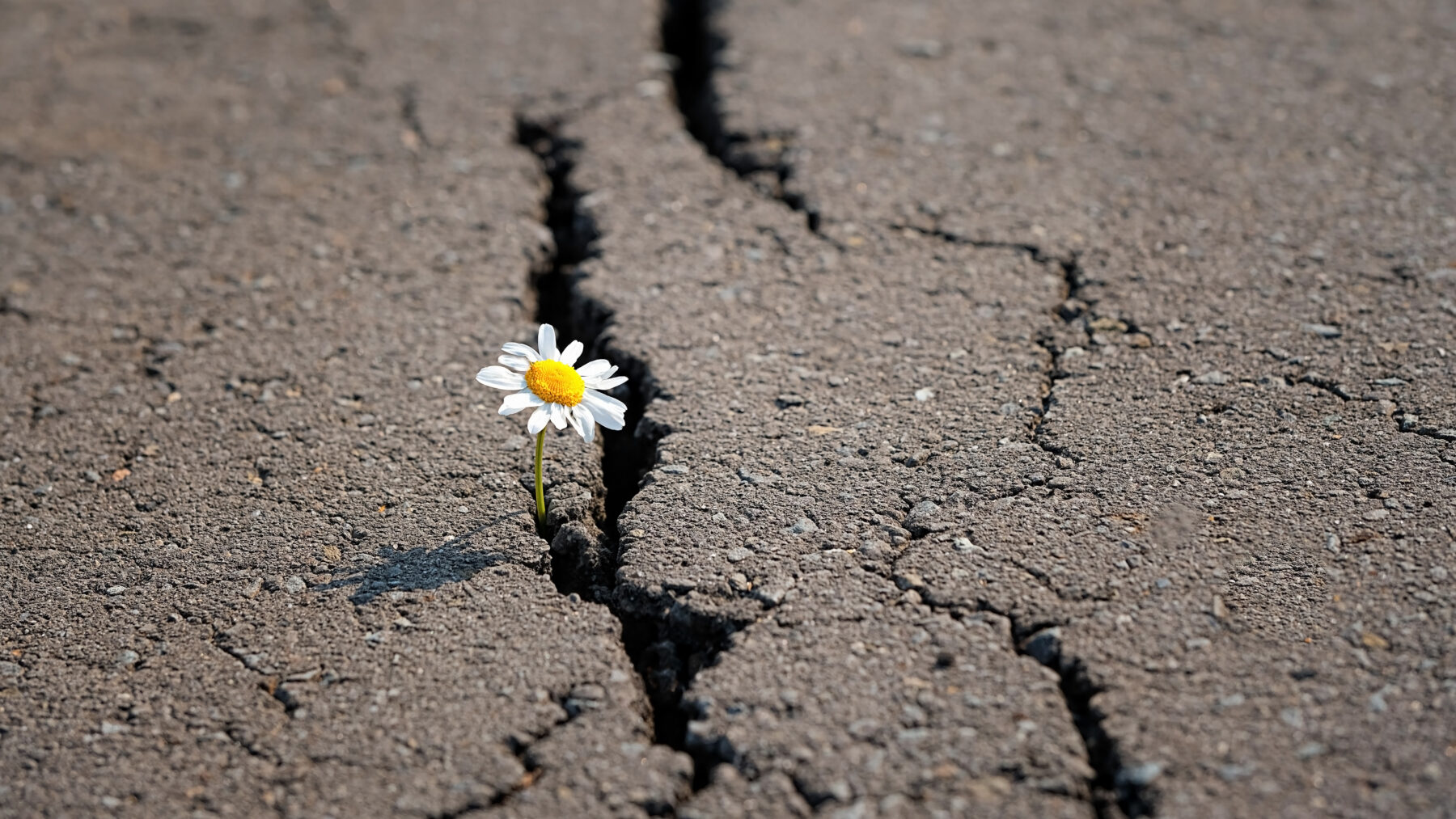
Spring introduces the first stable window to correct those shifts. Warmer temperatures, drier conditions, and consistent material behavior create an environment where repairs can properly bond and hold. Addressing winter damage at this stage restores surface continuity and limits further movement within the pavement structure.
Cracking Patterns Reveal Where Movement Occurred
Hairline cracks often appear as snow clears and surfaces dry, marking areas where internal pressure has already separated the asphalt matrix. These cracks rarely remain isolated. Repeated loading from traffic pushes against those weakened sections, widening the openings and allowing more moisture to enter.
As cracking spreads, the pavement begins to lose its ability to distribute weight evenly. That imbalance leads to additional stress points across the surface, which accelerates visible deterioration. Spring repair methods focus on sealing and stabilizing these areas before they expand into larger structural issues. Applying crack sealant during this window closes off pathways for water intrusion. Once sealed, the surface regains continuity, and the underlying layers remain protected from further seasonal exposure.
Potholes Develop from Subsurface Instability
Once water moves beyond the surface layer and reaches the aggregate base, the structure beneath the asphalt begins to shift. Saturated base material loses its ability to hold form under load, and traffic pressure forces the surface above to break apart. This process results in potholes that continue to expand with each passing vehicle.
Freeze conditions intensify the problem by lifting sections of pavement before allowing them to settle unevenly. That repeated movement weakens the bond between layers, creating loose material that separates from the surface. Spring repairs address this by removing compromised sections entirely. Rebuilding with properly graded aggregate and fresh asphalt restores the load path from surface to base, preventing further collapse in that area.
Edge Breakdown Signals Water Intrusion
Pavement edges often show early signs of distress due to direct exposure to moisture and temperature swings. Snow removal operations and standing water place additional pressure along these boundaries, gradually loosening the material at the edge.
Once separation begins, water moves more easily into the structure, triggering further cracking and surface loss. The breakdown typically progresses inward, expanding the affected area if left unaddressed. Repairing edges in spring reestablishes that boundary. Removing unstable material and compacting new aggregate before placing asphalt rebuilds support along the perimeter and limits additional moisture entry.
Spring Conditions Support Proper Placement and Compaction
Material behavior shifts as temperatures rise. Asphalt remains workable longer in spring conditions, which allows crews to achieve proper compaction before the material cools. That compaction directly affects how the surface handles traffic loads and resists future movement. Dryer conditions also reduce the risk of trapped moisture beneath new material. A clean, dry interface between existing pavement and new asphalt promotes stronger bonding, which keeps repairs intact through seasonal cycles. Coordinating repairs during this period aligns material behavior with placement requirements, producing a surface that holds its structure under repeated loading.
Material Consistency Drives Long Lasting Repairs
Every successful asphalt repair begins below the surface. Aggregate gradation, compaction methods, and material consistency all influence how the repaired section performs once traffic returns. A stable base layer distributes weight evenly and limits internal shifting. When aggregate is properly placed and compacted, it supports the asphalt layer above without creating stress concentrations that lead to cracking. Reliable access to aggregates and asphalt during spring scheduling keeps repair timelines on track. Consistent material supply allows crews to complete full-depth repairs without interruption, maintaining continuity across the pavement structure.
Visible winter damage marks areas where the pavement has already begun to shift under stress. Cracks, potholes, and edge deterioration indicate that moisture has moved through the surface and into supporting layers. Spring repairs stop that progression before higher temperatures and increased traffic amplify the damage. Restoring those sections early stabilizes the surface and protects the underlying structure from continued exposure. Coordinated material delivery supports that effort. With aggregates and asphalt available when conditions are right, repair work moves efficiently and prepares the pavement for the demands of the construction season ahead.