
How Preventative Asphalt Maintenance Protects Commercial Properties
Commercial asphalt in Des Moines takes a beating every year from traffic, moisture, heat and repeated freeze-thaw cycles. Early wear is usually manageable, but the picture changes fast once water reaches the base or heavy vehicle loads start breaking apart a weakened spot.
September 1, 2026
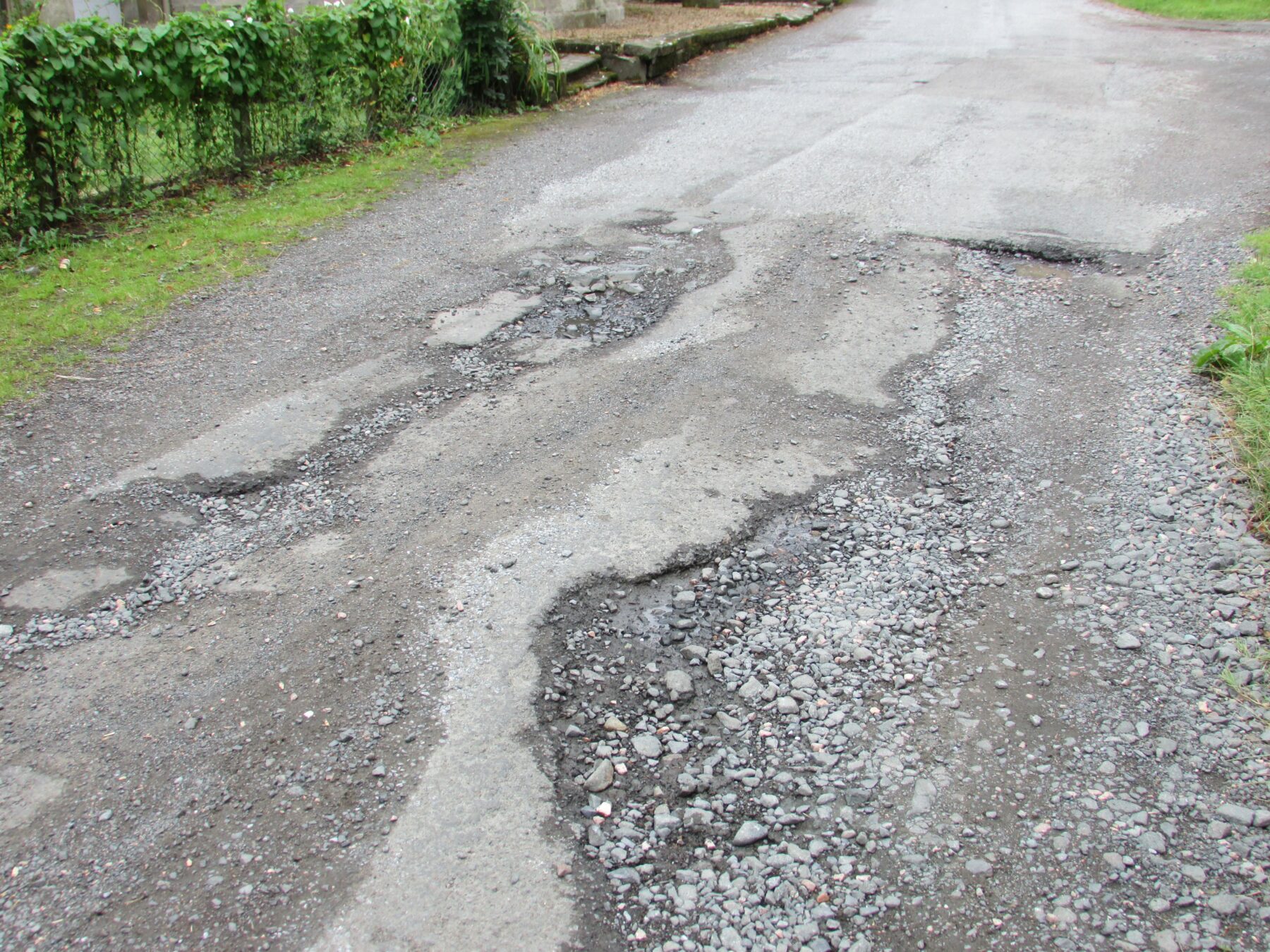
Commercial asphalt in Des Moines takes a beating every year from traffic, moisture, heat and repeated freeze-thaw cycles. Early wear is usually manageable, but the picture changes fast once water reaches the base or heavy vehicle loads start breaking apart a weakened spot. Preventative maintenance addresses that wear while repairs stay small, rather than letting several seasons of damage pile up into a full paving project.
What Does Preventative Asphalt Maintenance Actually Cover?
Preventative maintenance is the recurring work that keeps a paved surface intact between major paving projects. That work includes crack sealing, patching, striping and periodic inspections to flag new damage while it stays minor. Each task targets a different stage of wear before that wear reaches the base layer.
Commercial properties carry a heavier, steadier load than a typical residential driveway. Delivery trucks, waste haulers and daily customer traffic repeat across the same drive lanes and loading areas, wearing a surface far faster than occasional passenger traffic. A maintenance schedule built for a driveway falls short on a retail lot or a distribution yard in Ankeny, and Iowa freeze-thaw cycles stack more stress on top of that traffic.
How Does Crack Sealing Stop Water Intrusion?
Crack sealing blocks water from moving past the surface and into the base course below. A hairline crack left open lets moisture travel straight down, where Des Moines winters freeze and expand it, doing more damage beneath the surface than the crack ever showed on top. Sealing that opening while it stays narrow costs a fraction of what widening damage costs later.
Des Moines Asphalt and Paving fills those openings with a sealant that flexes through Iowa temperature swings instead of breaking loose from the surrounding pavement. That keeps a sealed crack sealed through a full winter rather than reopening by spring. A second check each fall, before the first hard freeze, catches anything that reopened over the summer.
When Does Commercial Asphalt Need Patching?
Patching handles the spots where a surface has already broken through to the base, usually a soft area or a small failure no larger than a few feet across. That is the repair crack sealing cannot reach once damage moves past the surface layer. Crews remove the compromised material down to a stable layer, then compact fresh asphalt into the opening so the new patch carries load like the surrounding surface.
An unpatched failure near a loading dock or a drive-through lane turns into a safety problem fast. Waste haulers and delivery trucks concentrate turning and braking in a handful of spots, and repeated stress there pushes a small failure toward a pothole within a single Iowa season. Patching those areas as they appear keeps a lot level and predictable for daily traffic.
How Do Striping and Drainage Support Asphalt Maintenance?
Striping keeps a lot functioning safely while sealing and patching handle the surface. Clear markings on drive lanes, parking stalls and fire lanes keep traffic in the lanes built to carry it. Faded lines push drivers into improvised patterns, concentrating wear in spots the original layout never planned for.
Drainage works from a different angle. A lot that sheds water cleanly toward its low points and storm drains keeps that water off the surface long enough that it never works into a crack or joint. Standing water at a low point signals a grading issue that maintenance alone cannot fix. Catching that signal early keeps a drainage problem from becoming a base failure that costs far more to correct.
Why Does Reactive Repair Cost More Than Prevention?
Reactive repair costs more because the damage has already spread by the time anyone commits to fixing it. A hairline crack sealed early costs a small fraction of the same crack patched once it opens into a pothole. A single pothole patched early stays cheaper than the milling and resurfacing a whole section needs once several potholes connect into one failed area.
A scheduled maintenance budget spreads that cost in small, predictable amounts across the year instead of concentrating it into one large capital expense when a lot finally needs full resurfacing. For a commercial property in the Des Moines area weighing that expense against other projects, predictable often matters as much as cheap.
A Maintenance Plan Built for Iowa Commercial Lots
Timing matters because pavement damage rarely stays where it starts. Water moves through open cracks, traffic works weakened areas wider and another Ankeny winter can turn minor surface damage into repairs that reach below the asphalt. Regular inspections give commercial properties a chance to address those conditions while the work stays localized.
Des Moines Asphalt and Paving works with commercial properties across the Des Moines area to spot developing pavement issues and schedule maintenance around the condition of each lot and the demands placed on it. Contact the team in Ankeny to schedule a walk-through and pinpoint where preventative maintenance makes the most sense.
Frequently Asked Questions
How Often Should Commercial Asphalt Be Maintained?
Most commercial lots benefit from at least one inspection each spring and a second check each fall before the first hard freeze. High-traffic lots with heavy delivery or waste-hauler activity often need more frequent attention. Crack sealing and patching happen as conditions call for it, while sealcoating typically runs on a multi-year cycle.
What Is the Difference Between Crack Sealing and Patching?
Crack sealing fills narrow surface cracks to keep water out before it reaches the base. Patching repairs spots that have already broken through to the base, removing the failed material and compacting fresh asphalt in its place. Sealing prevents damage; patching corrects it.
How Can Commercial Properties Prevent Potholes?
Potholes start as small cracks and soft spots that water and traffic widen over time. Sealing cracks early, patching failures quickly and keeping drainage clear removes the moisture and stress that create potholes. Regular inspections catch these issues before an Iowa winter turns them into open holes.
What Causes Asphalt Damage in Des Moines Area Winters?
Freeze-thaw cycles drive most winter asphalt damage. Water seeps into cracks and joints, freezes, expands and pushes the pavement apart, then thaws and repeats. Each cycle widens existing damage and weakens the base beneath the surface.
When Should a Parking Lot Be Repaired Instead of Resurfaced?
Localized cracks, soft spots and isolated failures usually call for targeted repairs like sealing and patching. Once damage spreads across a large share of the lot or reaches the base in multiple areas, milling and resurfacing become the more cost-effective option. A professional inspection in Ankeny can confirm which path fits the lot.